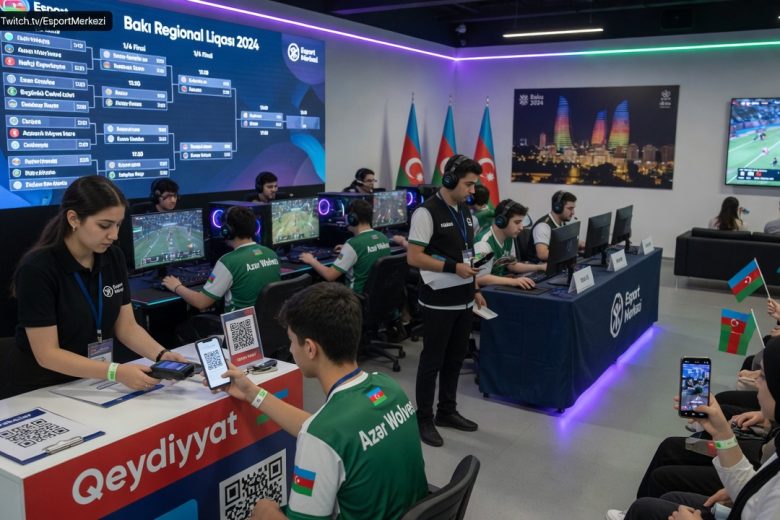
Azərbaycan kiberidman turnirləri: necə qatılmaq və izləmək
Esports in Azerbaijan is covered by local outlets that discuss tournament formats and strategy. One such example is the Urban Express piece titled «Turnir formatları və strategiya – Azərbaycanda necə qalib gəlmək», which frames how formats and planning shape competition locally.
This article gives a practical, format-focused guide to participating in and watching Azerbaijani esports tournaments. It summarizes common organizational elements, steps for players and teams who want to take part, and reliable ways for fans to follow match action and analysis.
Understanding tournament formats
Tournament formats define how teams or players progress and how winners are decided. Local coverage often highlights the importance of format choice for competitive strategy and scheduling.
Formats influence preparation: for example, single-elimination requires consistent performance in every match, while round-robin-style events can reward adaptability across several opponents. Organizers choose formats to balance fairness, time, and the goals of the event; understanding that choice helps participants set realistic plans.
For spectators, the format determines viewing patterns. A bracket-based event creates clear knockout rounds, while league-style formats offer ongoing storylines and opportunities to follow teams over time. Familiarity with format terms used by local reporting makes it easier to interpret schedules and results.
How to register and prepare to participate
Entry typically begins with registering through the event organizer or platform specified in the tournament announcement. Announcements include rules, eligibility, and registration windows, so reading official posts is the first step.
Teams should verify roster rules and any required documentation before the deadline. Many events also publish maps, match settings, or tournament rules in advance. Preparing within those constraints helps avoid administrative disqualification and reduces in-match surprises.
Strategic preparation benefits from knowing the format in advance. Practice routines and lineup choices can be tailored to expected match cadence and opponent sampling. Coverage that discusses strategy alongside formats can be a useful reference for coaches and players looking to adapt to the event structure.
How to watch and follow matches
Local media and tournament pages are the primary sources of schedules, live streams, and post-match analysis. When following an event, check the organizer for official streaming channels and any platform-specific viewing instructions.
Match pages and coverage usually include bracket updates, standings, and summaries. For fans who want deeper insight, analysis pieces that explain how format decisions affected outcomes can add meaningful context. This is especially helpful when understanding why a particular strategic choice worked within a given tournament structure.
Social channels and community forums often complement formal coverage with score alerts and discussion. Following official accounts and trusted local outlets makes it easier to stay informed about match start times and any schedule changes.
Practical considerations and sportsmanship
Adhering to event rules and maintaining clear communication with organizers reduces friction for both players and teams. Tournament rules frequently address conduct, match procedures, and dispute resolution; familiarizing yourself with them is essential.
For viewers, respecting broadcast rights and using approved streams supports organizers and helps maintain the quality of future events. Community-driven discussion is valuable, but it works best when paired with verified information from event sources.
Conclusion
Tournament formats and strategic thinking are central to competing and enjoying esports in Azerbaijan. Local reporting on formats and strategy provides useful context for participants and fans alike.
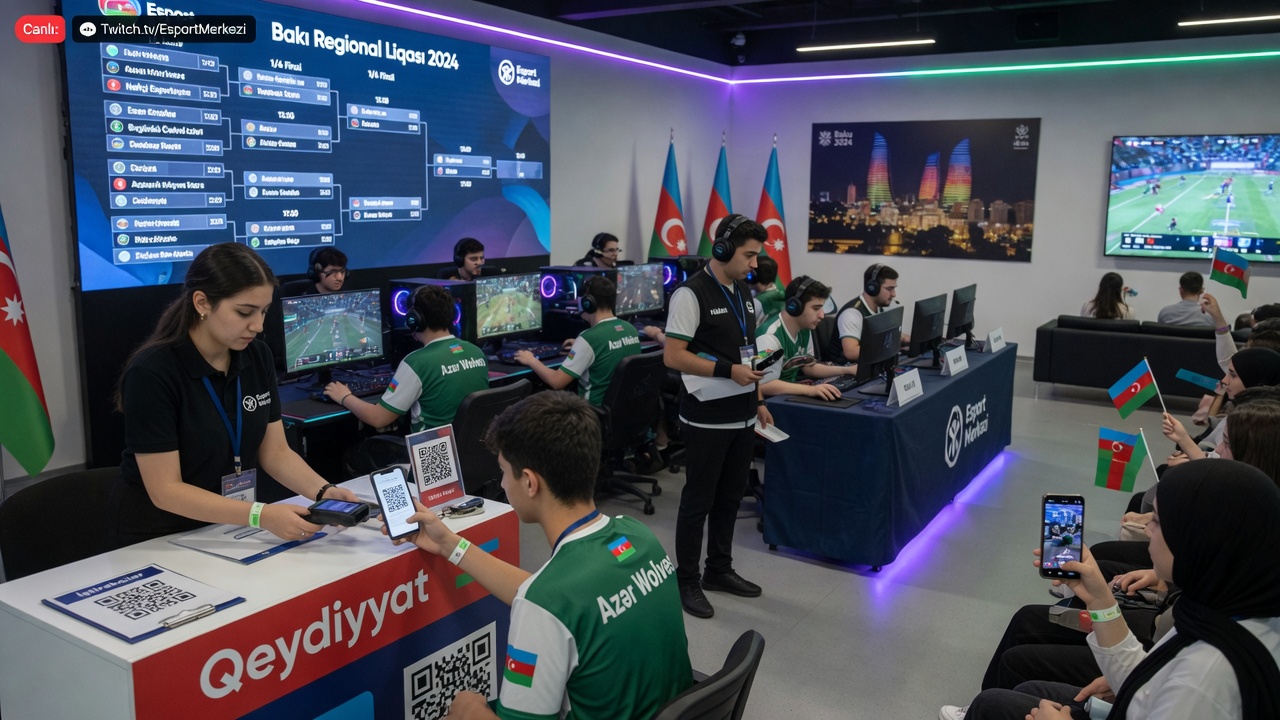
Whether you are registering a team, preparing for matches, or following an event as a spectator, start with official information about the format and rules. From there, align preparation and viewing plans to the structure of the competition to get the most out of the experience.