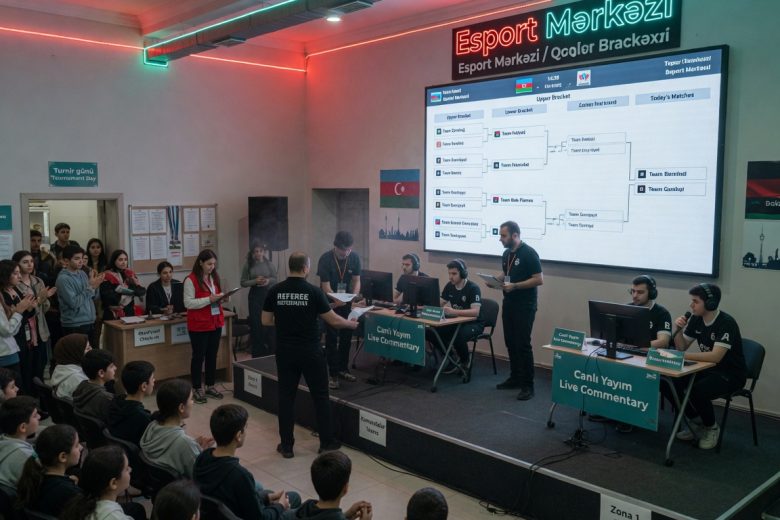
Valorant üçün lokal liqalar və turnir strukturları
Local leagues and tournaments are key building blocks for any regional Valorant community. They create regular competition, help teams and players develop, and provide visible pathways for organized play. For a community site focused on Azerbaijani esports and gaming culture, understanding structural options and platform choices is essential.
Introduction to local league purpose
At their core, local leagues aim to offer consistent, repeatable competition that fits the scale of the community. They serve both competitive and social goals: improving player skill and strengthening local scene connections. Organizers typically balance accessibility with competitive integrity to encourage participation while maintaining meaningful results.
League activity can be presented through online platforms that publish tournament overviews and supporting materials. An example of a published overview is a page titled valorant | Overview on a tournament platform, which can include visual assets such as a thumbnail image for identification.
Structure options for organizers
Organizers choose a structure based on the number of participants, available time, and goals for competitive clarity. Common conceptual elements include preliminary phases to sort participants and knockout phases to decide final standings. Designers of a league often consider how many matches each team should expect and how playoff qualification will be determined.
Group stage concepts allow more guaranteed matches for entrants, helping teams gain experience and providing a clearer seed order for later rounds. Single elimination concepts reduce the calendar footprint and intensify each match, while double elimination offers a compromise that gives teams a second chance without extending schedules indefinitely.
Scheduling considerations are important when planning local leagues. Organizers manage match windows, time zone differences, and fair timing for participants. Clear rules for match reporting, map veto procedures, and dispute resolution help maintain consistency throughout a season or a single-event tournament.
Platform and operational considerations
Using an established tournament hosting platform can simplify many administrative tasks. An overview page on a hosting platform can centralize important information and visual identifiers for the event. Organizers use such pages to communicate the tournament name, structure, and assets to participants and spectators.
Operational workflows include registration management, match result submission, and bracket updates. Automation on dedicated platforms reduces manual errors and helps keep public pages up to date. Visual thumbnails and overview listings support discoverability for the community and provide a single reference point during the event.
Community and integrity measures
Maintaining integrity and a welcoming environment is a practical priority for local leagues. Clear codes of conduct, transparent rules, and consistent enforcement create a predictable competitive experience. For local scenes, attention to player behaviour and dispute handling contributes to long-term trust in league results and organization.
Accessibility measures help broaden participation. Flexible scheduling, straightforward registration procedures, and clear communication about format and expectations reduce barriers to entry. When leagues are accessible and well-documented, they encourage more players and teams to engage with regular competition.
Conclusion
Local Valorant leagues and tournaments benefit from thoughtful structure and reliable operational practices. Whether organizers opt for group stages, knockout brackets, or hybrid formats, clarity and fairness should guide decisions. Using a central tournament overview on a hosting platform can help present information and visuals consistently for the community.
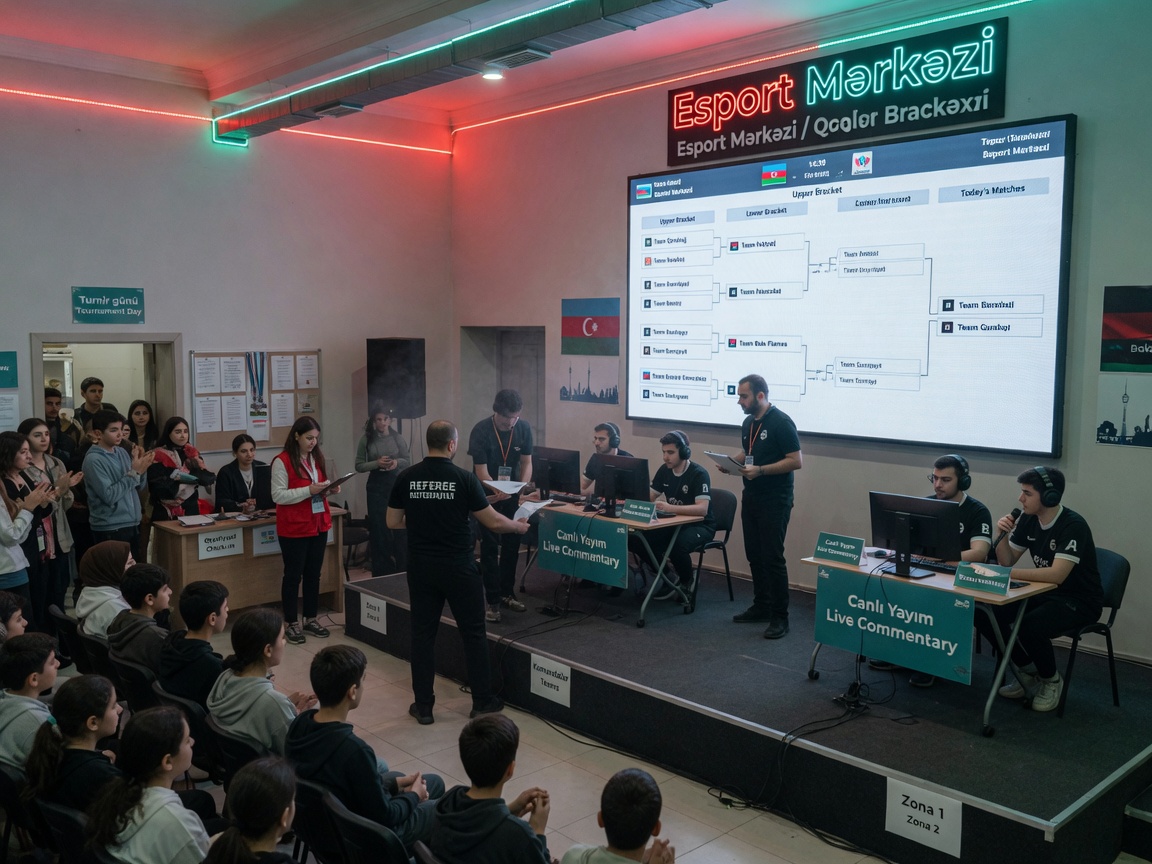
For community-focused sites covering local esports, explaining these structural options in clear terms helps teams, players, and fans understand how local competition is organized and how it supports the broader scene.