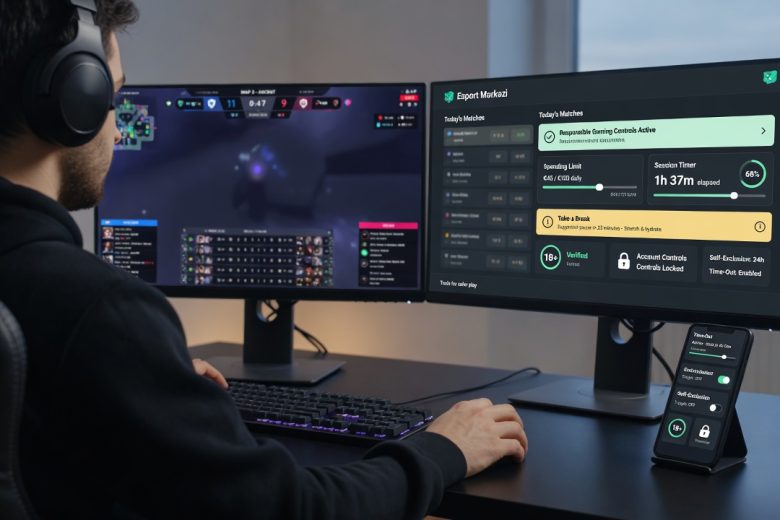
Təhlükəsiz mərc və oyun davranışı: məsuliyyətli praktikalar
Introduction
The goal of safe play and responsible behaviour in gaming is to reduce harm and support positive learning. Many of the same principles used to prevent accidents in early childhood settings apply to gaming spaces: clear rules, appropriate environments, and guided activities help players develop safer habits. This article presents practical steps and game-based approaches that encourage responsible behaviour without relying on specific claims beyond established safety principles.
Creating a safe environment and clear rules
A safe environment starts with thoughtful design and simple standards. In physical settings for children, measures to prevent trauma are regulated through sanitary rules and norms; similarly, gaming spaces benefit from deliberate rules about conduct, time limits, and equipment safety. Clear, consistent expectations reduce confusion and help participants make safer choices.
Rules should be easy to understand and consistently enforced. Short, positive statements describing acceptable behaviour work better than long lists of prohibitions. Players and guardians should know where to find information on acceptable conduct and whom to contact when concerns arise. Regular reminders of the rules help maintain a safe culture without creating an adversarial atmosphere.
Environmental factors also matter. In physical play, preventing harm includes attention to the building and the immediate surroundings. For digital and mixed gaming contexts, ensure that the platform settings, privacy controls, and account protections are configured to reduce exposure to risks. A well-maintained environment supports safer behaviour by reducing opportunities for accidental harm.
Games and activities that build safe behaviour skills
Educational games and guided activities can help players learn and practise safe behaviours. In early childhood contexts, play is used intentionally to teach safety skills; equivalent activities can be adapted for older gamers to rehearse decision-making, restraint, and peer support. Structured scenarios and role-play exercises allow participants to experience consequences in a low-risk setting and to reflect on better choices.
Designing such activities involves simple steps: define the safety skill to be practised, create a short game scenario, and debrief afterwards. For example, a timed challenge that emphasises pause-and-check routines trains impulse control, while cooperative tasks reinforce communication and mutual support. Small-group activities encourage discussion about boundaries and respect among players.
Short, repetitive games that focus on a single skill are effective because they allow consistent practice without fatigue. Facilitators should adapt complexity to the participants’ age and experience, and ensure that the learning environment remains supportive rather than punitive. The aim is to reinforce safe habits through active engagement and positive feedback.
Supervision, guidance, and community norms
Supervision and mentorship are crucial elements of responsible practice. Just as adults supervise children to reduce risk in physical settings, mentors and community leaders in gaming should provide guidance and model appropriate behaviour. Open communication between experienced members and newcomers helps maintain shared standards and reduces risky choices made in isolation.
Community norms are strengthened when questions and concerns can be raised without stigma. Establishing clear reporting paths and supportive responses encourages players to seek help early. Peer-led initiatives, such as brief workshops or guided discussions, can normalise responsible choices and highlight practical steps that people can take in everyday play.
Finally, consistent reinforcement through routines and brief check-ins helps habits stick. Whether the context is a local event or an online session, simple practices like scheduled breaks, reminders about rules, and quick debriefs after intense matches support sustained responsible behaviour.
Conclusion
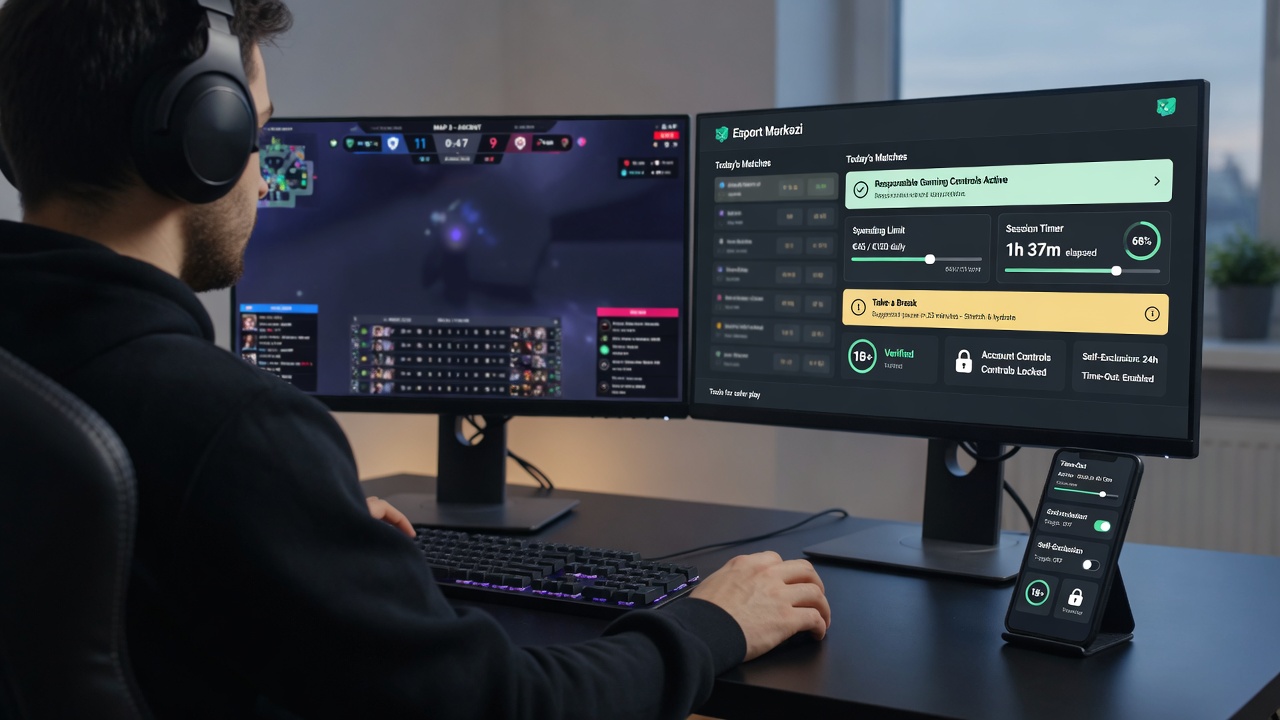
Promoting safe play and responsible behaviour in gaming rests on familiar foundations: clear rules, well-designed environments, purposeful activities, and supportive supervision. By adapting approaches used to prevent harm in other settings—such as creating conditions regulated by sanitary rules and focusing on games that teach safety skills—communities can foster safer, more respectful play. Small, consistent practices create a culture where participants understand expectations, practise safe decisions, and support one another.